
Baby boomers hold nearly half of all real estate wealth in the country. I see that statistic play out in real life almost every week: the four-bedroom cape right in town that's been in one family since 1962, the longtime owner reaching out because the stairs finally won and first-floor living is calling. It raises a question nobody wants to say out loud: if boomers are ready to sell, why isn't it happening faster, and why is it so hard here in coastal Maine specifically?
I want to be upfront that this is one piece of a much bigger housing conversation. Zoning, construction costs, insurance, short-term rentals, and climate risk along our coast all play a role too, and each deserves its own deep dive. What I want to focus on here is the piece I see up close, every week, in my own work: the generational mismatch between what boomers are selling and what the next generation, and often their own parents, actually need.
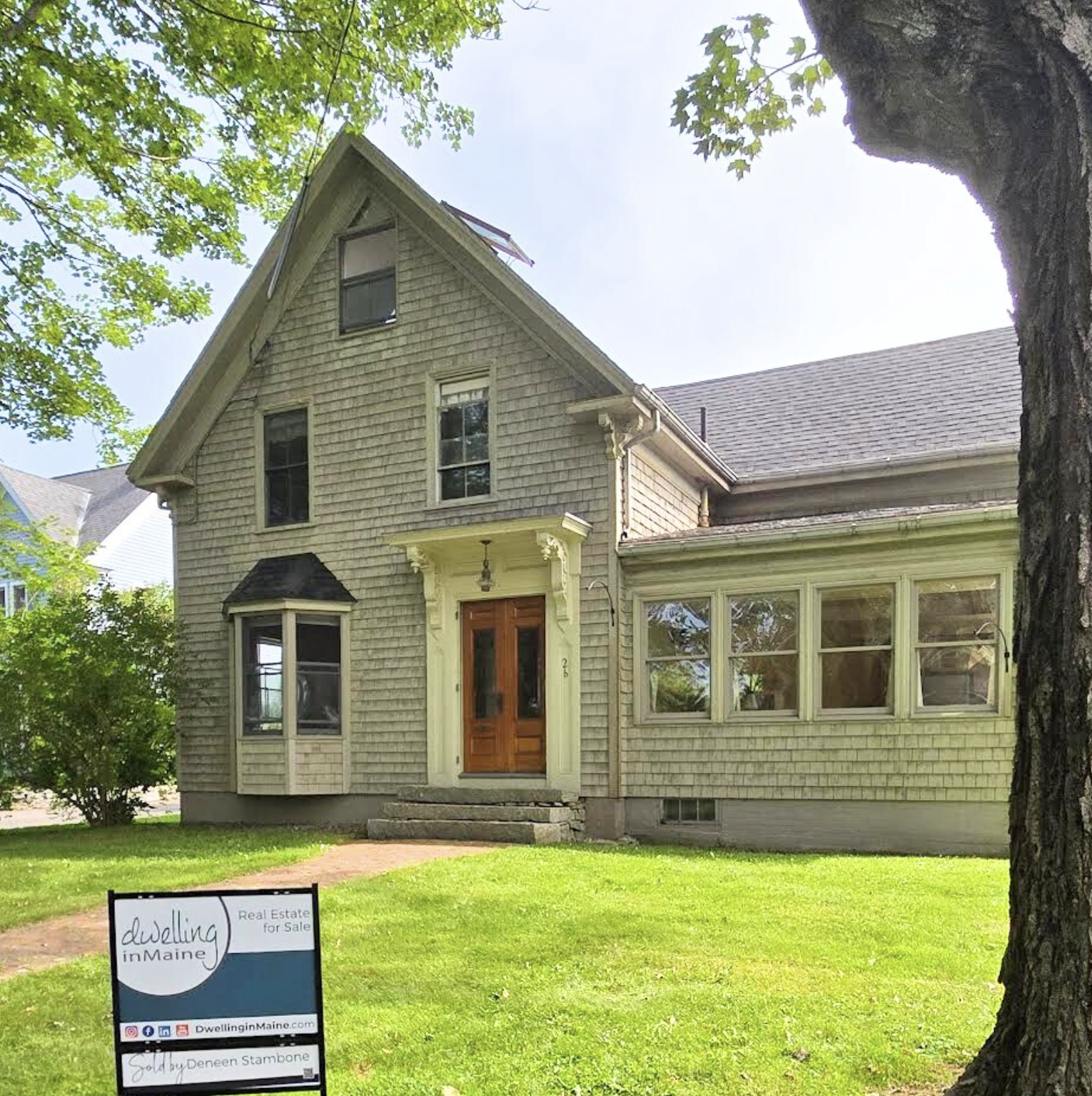
Part of the answer is our housing stock. Maine's older inventory, the multi-story colonials, capes, and farmhouses that give our towns their character, wasn't built with aging in place in mind. These houses went up when multi-generational living was more the norm, a way of life that's actually starting to come back, but the homes themselves haven't caught up. Bedrooms upstairs, laundry in the basement, a primary suite that assumes you can still manage two flights of stairs without thinking about it. These homes are beautiful, and they are also, quietly, the reason so many older homeowners are stuck. They love the house. The house doesn't love them back anymore.
So the seller is ready. The question becomes: ready for what? Where does Grandma go? That's not a rhetorical question in my work; it's the actual first conversation. Downsizing in a place like coastal Maine isn't just a real estate transaction; it's a housing search of its own, often in a market with limited single-level, low-maintenance options. Sometimes the answer is a smaller home nearby. Sometimes it's assisted living. Sometimes it's moving in with family. Every path has its own timeline, its own cost, and its own grief attached to it, and none of it can be solved with a "For Sale" sign alone.
 Then there's the buyer side of the Maine housing market, which has its own bind. First-time buyers and downsizers are often chasing the same homes: smaller, well-located properties within walking distance to town, ready to move into. That overlap drives up competition and price on the "easy" homes while leaving a real gap in the middle. Larger homes, homes that need real work, or homes in prime coastal settings come with a premium most young buyers simply can't stretch to, and often need a new roof, an updated heating system, or a full kitchen on top of that price tag before anyone can move in. Gen Z and millennials are carrying debt loads their grandparents never had to think about, which makes that combination- a high price plus a renovation list- especially hard to clear.
This is where I think the real estate conversation has to expand past pricing and staging. Creative financing matters here: seller financing, smaller starter renovations that make a fixer-upper bankable, buyers pairing up on a property that needs work. Creative living arrangements matter too: accessory dwelling units, multi-generational setups, house-sharing. None of these are exotic ideas anymore in Maine. They're becoming necessary tools for closing the gap between what boomers are selling and what the next generation can buy.
And then there's the part of this work that doesn't show up in a listing description at all: for most of my clients, this is the first time they've sold a home in decades, if ever. Guiding someone through that, patiently, without rushing them past the parts that are hard, is not a side service to the sale. It is the sale, as far as I'm concerned.
That's the sweet spot I keep coming back to: meeting people at the actual moment they're in, not the moment a transaction wants them to be in. A kind, unhurried approach to this shift doesn't just make the process more humane. It makes it more successful. Families make better decisions when they don't feel steamrolled, and homes that are prepared and priced with real understanding of both sides of this market tend to sell better too.
Coastal Maine is going to go through this transition whether we plan for it or not. Boomers are sitting on a huge share of our housing, the next generation needs somewhere to live, and the homes in between need someone who understands both what a 1920s house right in town actually requires and what it takes to help a 78-year-old client sell a family home in Maine for the first time in her life. That's the work. I'd rather do it well than do it fast.
If you're the one sitting in that house right now wondering what comes next, you can reach out yourself. This isn't just a conversation for your kids to have on your behalf. And if you're helping a parent or grandparent think it through, or you're trying to figure out how to compete for one of these homes yourself, I'd love to talk too. You can reach me anytime at [email protected], or read more about my work here: https://www.google.com/url?q=

Connect