
Buying a first home anywhere is a lot. Buying one in Midcoast Maine, from Damariscotta up through Camden and Belfast, adds a few wrinkles that buyers moving from a city or from out of state usually don't see coming: private wells and septic systems, heating costs that matter more than they do almost anywhere else in the country, and a market that moves on a very different calendar than most of the country. Here's what to know before you start touring houses.
Quick summary: Midcoast Maine covers towns like Damariscotta, Waldoboro, Rockland, Rockport, Camden, and Belfast. First-time buyers here should get 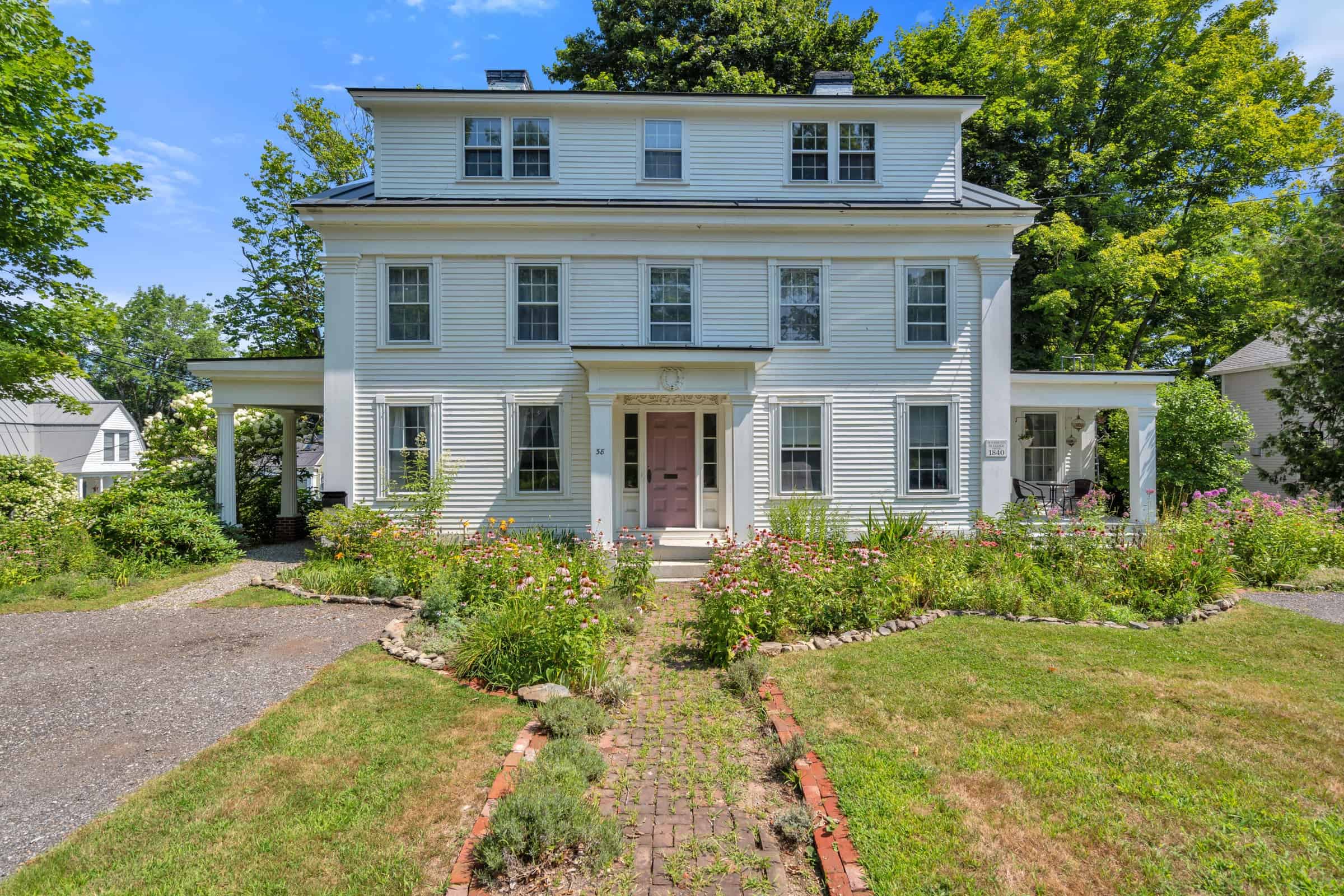 prequalified and work with an agent who represents their interests before house hunting, budget for a home inspection that includes well and septic testing, understand that property tax rates vary widely by town, know that Maine's transfer tax is split 50/50 between buyer and seller, and ask about low down payment and closing cost assistance programs before assuming they can't afford it here.
Get prequalified before you fall in love with anything
Prequalification is the single most useful thing you can do before you start touring homes. It tells you what you can actually afford, and it makes your offer credible the moment you find the right house, which matters in a Midcoast market that moves fast in spring and summer.
It's also where having the right people in your corner pays off. We can match you with a local lender who will look at your full picture and tell you whether you qualify for a low or no down payment program, closing cost assistance, a VA loan, or one of the rate discounts some local banks offer teachers and first responders. Every buyer's situation is different, so rather than trying to figure out which programs apply on your own, a good lender sorts through that with you upfront.
Find an agent who represents you
Make sure you have an agent representing your interests as the buyer throughout the process. Under current industry regulations, agents are required to have a signed buyer representation agreement in place before showing you homes, so don't be surprised when that comes up early. It's a good thing: it means the agent showing you a house is working for you and can negotiate on your behalf, including shaping your offer around your financing and loan program, not just the sale price, so your contract terms and timeline line up with how your loan works.
From there, we can connect you with a Maine-licensed home inspector who knows what to look for in wells, septic systems, and older housing stock, and a real estate attorney for closing, since Maine typically uses attorneys rather than escrow companies. Having the right people around you, an agent representing your interests, a lender who knows the local programs, and an inspector who knows this housing stock, is what keeps a Midcoast purchase from turning into a surprise. Our buyer's guide (https://www.google.com/url?q=
The Midcoast market isn't one market
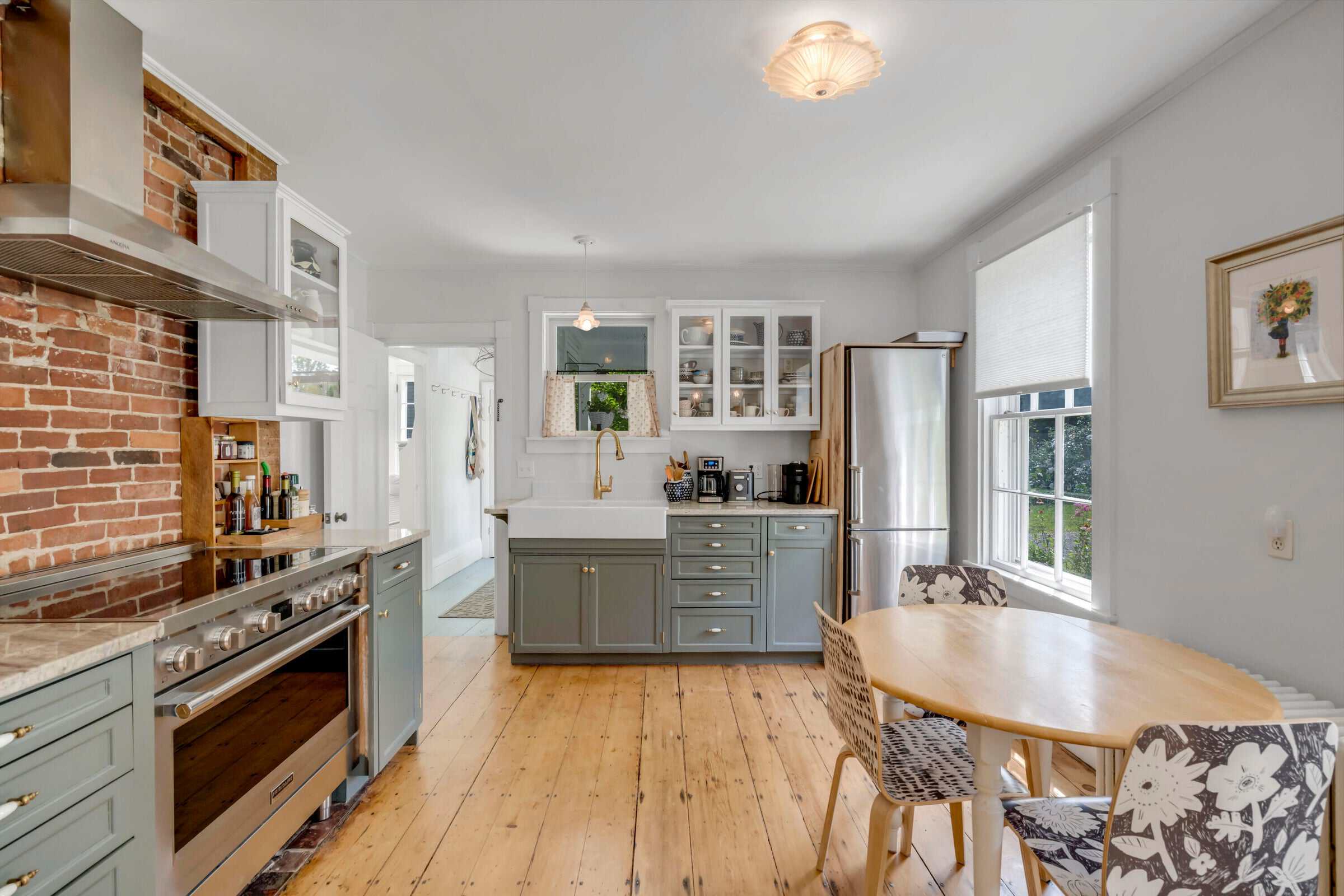 The Damariscotta-to-Belfast stretch covers a lot of ground, and each town has its own character and price point. Camden and Rockport (https://www.google.com/url?q=
Seasonality matters too. Inventory tends to open up in spring and stays active through summer, when second-home buyers and vacationers are also competing for many of the same properties. Winter has less competition but also fewer listings. If you have flexibility, house hunting in late fall or winter can mean less competition for year-round homes.
Understand what closing actually costs
Maine's real estate transfer tax is $2.20 per $500 of the sale price, or $4.40 per $1,000, however you want to say it. It's split 50/50 between buyer and seller by default, so each side pays $1.10 per $500 ($2.20 per $1,000). On a $350,000 home, that's about $1,540 total, or $770 per side.
Once you own the home, look into the Homestead Exemption, which shelters up to $25,000 of your home's assessed value from property tax if it's your primary residence. You need to have owned and occupied the home by April 1 of the prior year and apply through your town assessor by April 1. It's easy to forget to file for, and it directly lowers your tax bill every year after.
What it costs to run a home here, beyond your mortgage
Your mortgage payment is only part of the monthly picture. Property tax rates vary quite a bit from town to town in Midcoast Maine, so it's worth asking for the specific tax bill on any home you're serious about rather than assuming it'll be similar to a comparable house one town over.
Heating is also a bigger expense here than in much of the country. Many homes run on oil or propane rather than natural gas, and older homes can be costly to heat through a Maine winter if they're not well insulated. It's worth asking for recent heating bills before you buy.
Then there's ongoing upkeep. Homes here deal with real winters, so budget for things like seasonal furnace or heating system servicing, gutter and roof maintenance, and keeping an eye on your well and septic system over time. None of it needs to be scary, it's just part of owning a home in Maine, and our Midcoast Maine winter home checklist (https://www.google.com/url?q=
Wells, septic, and older housing stock
Outside the denser downtown areas, most Midcoast properties are on private wells and septic systems rather than municipal water and sewer. Have the well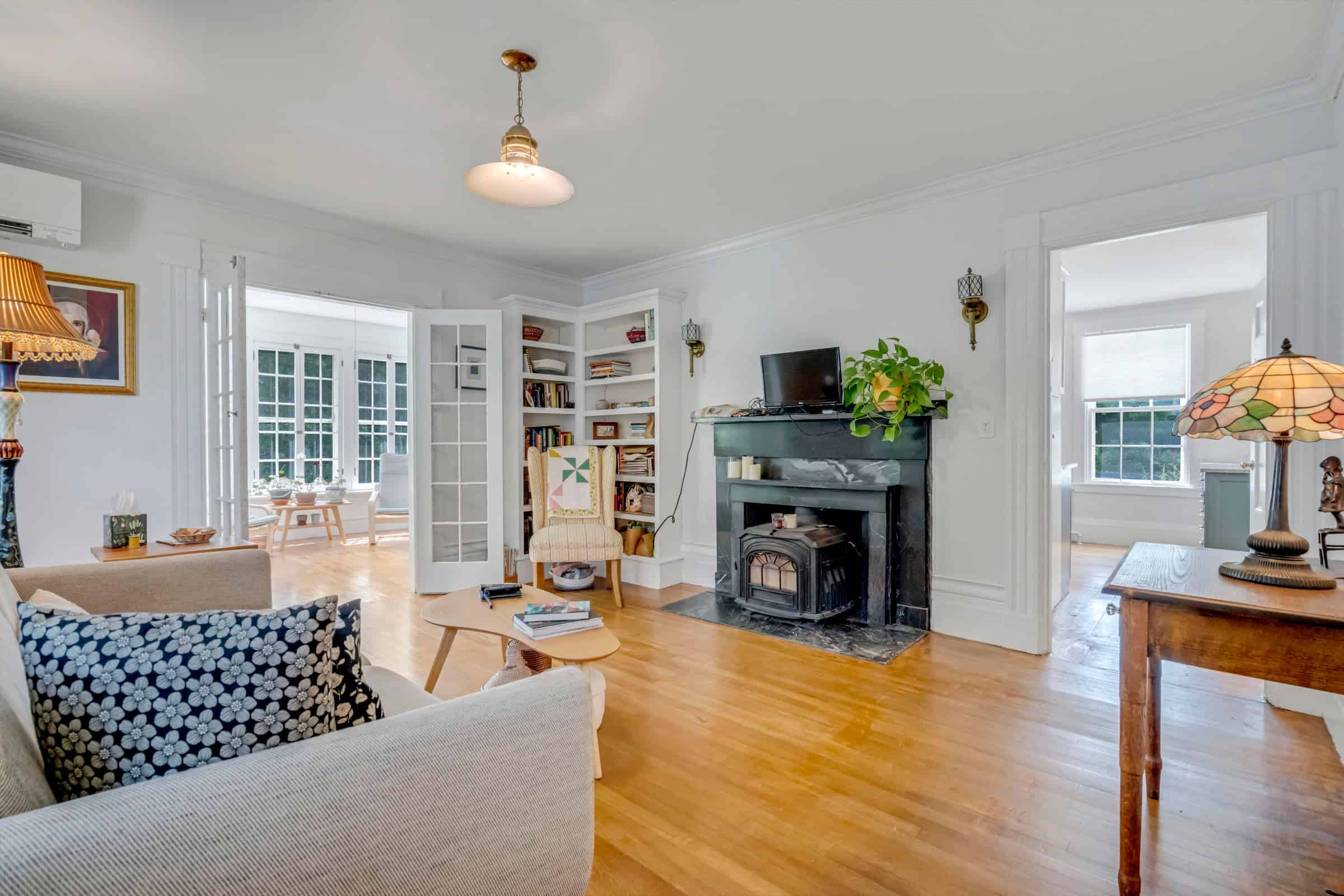 tested for yield and water quality (arsenic shows up naturally in Maine groundwater in some areas) and have the septic system inspected and pumped as part of your due diligence, not assumed to be fine because "it's never been a problem." We go into more detail in our guide on septic systems in Maine (https://www.google.com/url?q=
A lot of the region's housing stock is old, charming, and not built to modern standards. That means budgeting for a thorough inspection that covers knob-and-tube wiring, oil tanks (including old buried tanks), foundation and sill condition, and lead paint if the home was built before 1978.
Frequently asked questions
Do I need a lot of money down to buy a first home in Maine?
Not necessarily. There are low and no down payment loan options for eligible first-time buyers, along with programs that can add several thousand dollars toward a down payment or closing costs. A local lender can tell you which ones you qualify for.
Are there special mortgage programs for teachers or first responders in Maine?
Some local Maine lenders and credit unions offer their own rate discounts or credit programs for educators, firefighters, police, and healthcare workers. It's worth asking directly, and a local lender is more likely to know what's available than a national online lender.
Why do I have to sign an agreement before an agent will show me homes?
Current industry regulations require buyer's agents to have a signed representation agreement in place before touring properties with you. It protects you too: it confirms the agent is working on your behalf and can negotiate for you rather than just facilitating the showing.
Who pays the transfer tax in Maine, the buyer or the seller?
It's split 50/50 by default under state law. That works out to $1.10 per $500 ($2.20 per $1,000) per side, though this can be negotiated in the purchase agreement.
Is well and septic testing really necessary if the seller says everything works?
Yes. Well and septic issues are among the most common and expensive surprises for buyers in rural Maine, and a seller's word isn't a substitute for a current inspection.
How do property taxes vary across Midcoast Maine towns?
Have more questions? Our full FAQ on buying a home in Maine (https://www.google.com/url?q=
Ready to start looking?
If you're a first-time buyer eyeing Midcoast Maine, the best next step is a conversation, not a listing search. Meet our agents (https://www.google.com/url?q=

Connect