
October is a good time to start getting your Maine home ready for winter. The weather is still manageable, but colder temperatures, snow, ice, and winter storms are just around the corner. Taking care of a few important maintenance tasks now can help prevent bigger problems once winter arrives.
For homeowners in Midcoast Maine, preparing for winter can mean everything from scheduling a chimney cleaning to making sure your heating system is ready, protecting outdoor plumbing, and checking that your home is prepared for snow and ice.
Whether you live in your home year-round or are preparing a seasonal property for the winter, here are some of the most important things to take care of this October.
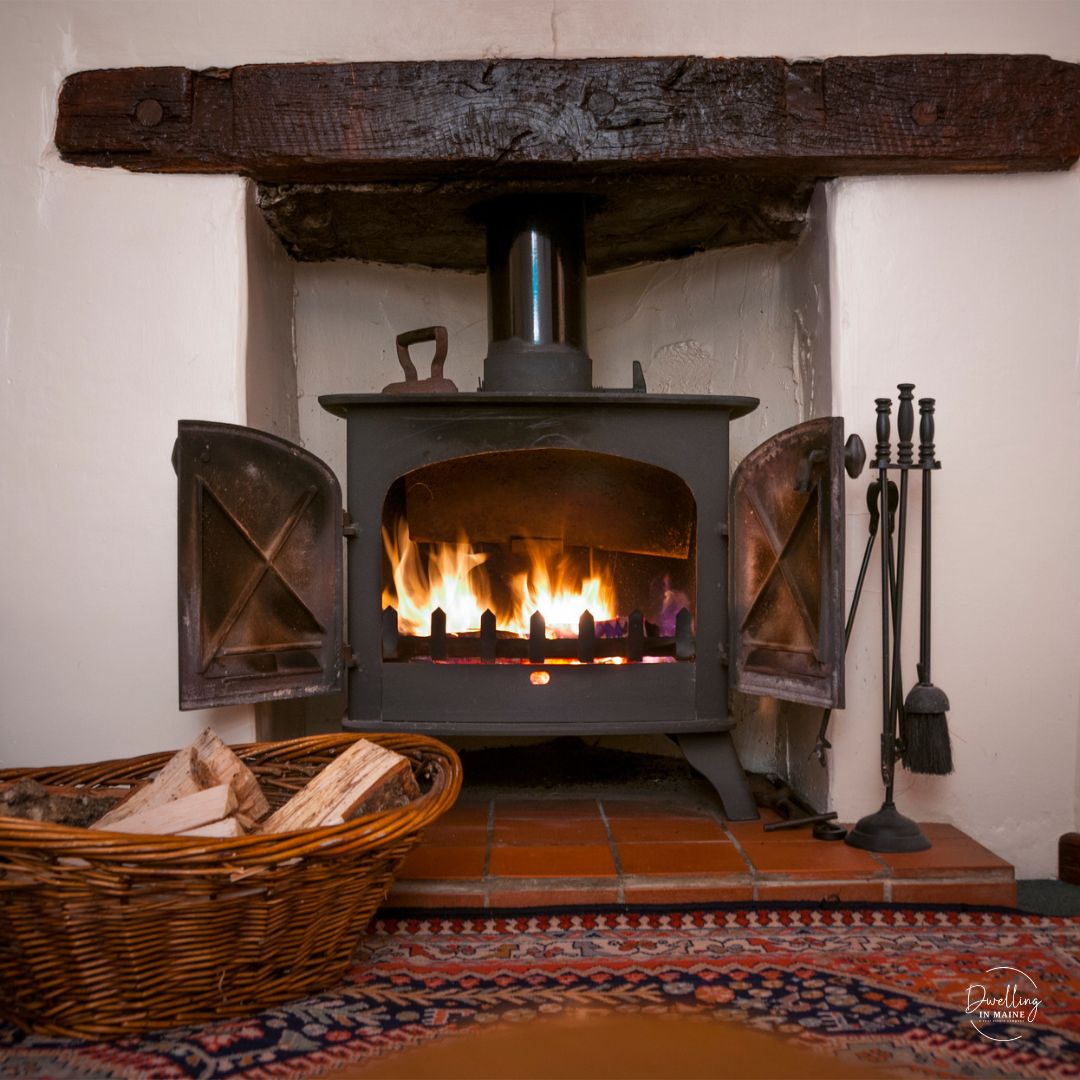
1. Have Your Chimney and Woodstove Cleaned
If you use a woodstove or fireplace, fall is the time to have your chimney inspected and cleaned.
Creosote can build up inside a chimney and increase the risk of a chimney fire. A professional inspection can also identify issues with the chimney, flue, or woodstove before you start using it regularly.
If you haven't already scheduled your cleaning, October is a good time to get it on the calendar before heating season is fully underway.
2. Schedule Your Heating System Maintenance
Your heating system is going to be working hard over the next several months, so it is worth making sure everything is operating properly before temperatures drop.
Depending on your home's heating system, this may include:
Scheduling annual furnace or boiler maintenance
Having your oil or propane system inspected
Replacing furnace filters
Checking heat pumps and cleaning filters
Checking thermostats and controls
Making sure radiators or baseboards are unobstructed
Confirming that your home is heating evenly
If your home has multiple heating systems, make sure each one is ready for the season.
3. Clean Out Gutters and Downspouts
Fall leaves can quickly fill gutters, especially in Maine's wooded areas.
Before winter arrives, clear leaves and debris from your gutters and make sure downspouts are directing water away from your foundation. Clogged gutters can contribute to ice buildup, water damage, and drainage problems once freezing temperatures arrive.
While you're up there, take a look for loose gutters, damaged sections, or areas where water isn't flowing properly.
4. Check Your Roof
Your roof will be dealing with snow, ice, wind, and freeze-thaw cycles throughout the winter.
October is a good time to look for missing or damaged shingles, damaged flashing, signs of leaks, or areas where moss or debris has accumulated. If you notice anything concerning, have it evaluated before winter weather makes repairs more difficult.
You should also check around chimneys, skylights, and roof penetrations where leaks can sometimes develop.
5. Disconnect and Protect Outdoor Water Sources
Frozen pipes and outdoor plumbing can create expensive problems.
Before freezing temperatures become routine, disconnect garden hoses and drain outdoor faucets. If your home has exterior plumbing that needs additional winter protection, make sure it is properly insulated or winterized.
For seasonal homes, this step is particularly important. If you're closing a property for the winter, make sure the entire plumbing system is properly prepared for extended periods of freezing temperatures.
6. Check Your Windows and Doors
Small drafts can become much more noticeable once winter arrives.
Walk around your home and check windows and exterior doors for noticeable drafts. Look at weather stripping, caulking, door sweeps, and other areas where cold air may be getting in.
You don't necessarily need to replace windows to improve energy efficiency. Sometimes relatively simple maintenance can make a noticeable difference.
7. Prepare for Snow and Ice
Don't wait until the first major storm to figure out how you're going to handle snow.
Make sure you have working snow shovels, ice melt, roof rakes, and other winter equipment you may need. If you use a snowblower, test it before the first storm and make sure it is ready to go.
If you hire someone for plowing or snow removal, October is also a good time to confirm arrangements.
For homes with long driveways, steep access roads, or waterfront locations, winter access deserves particular attention.
8. Check Your Generator
Power outages are a reality of Maine winters, particularly during major snow and ice storms.
If you have a generator, test it before you need it. Make sure it is properly maintained and that you know how to operate it safely.
Generators should always be operated outdoors and away from windows, doors, and other openings where exhaust could enter the home.
If you have a whole-house generator, make sure its maintenance and fuel needs are taken care of before winter.
9. Trim Trees and Look for Potential Hazards
Heavy snow and ice can put considerable weight on tree limbs.
Take a look around your property for dead, damaged, or unstable branches, particularly those hanging over the house, driveway, vehicles, or power lines.
If you see something that could become a problem during a winter storm, consider having it professionally evaluated or removed before the weather turns.
10. Make Sure Your Home Is Properly Insulated
October is also a good time to think about where your home may be losing heat.
Check attics, basements, crawl spaces, and other areas where insulation may be inadequate. Air leaks around windows, doors, plumbing penetrations, and electrical outlets can also contribute to heat loss.
If certain rooms are consistently colder than others, that may be worth investigating before winter settles in.
11. Stock Up on Winter Essentials
A little preparation can make the first big winter storm much less stressful.
Consider keeping a supply of:
Flashlights and batteries
Backup heating supplies
Ice melt
Drinking water
Nonperishable food
Basic tools
First-aid supplies
Phone charging banks
Candles or other emergency lighting
If you rely on a woodstove for supplemental heat, make sure your firewood is properly seasoned and stored in a convenient location.
12. Don't Forget Seasonal Homes
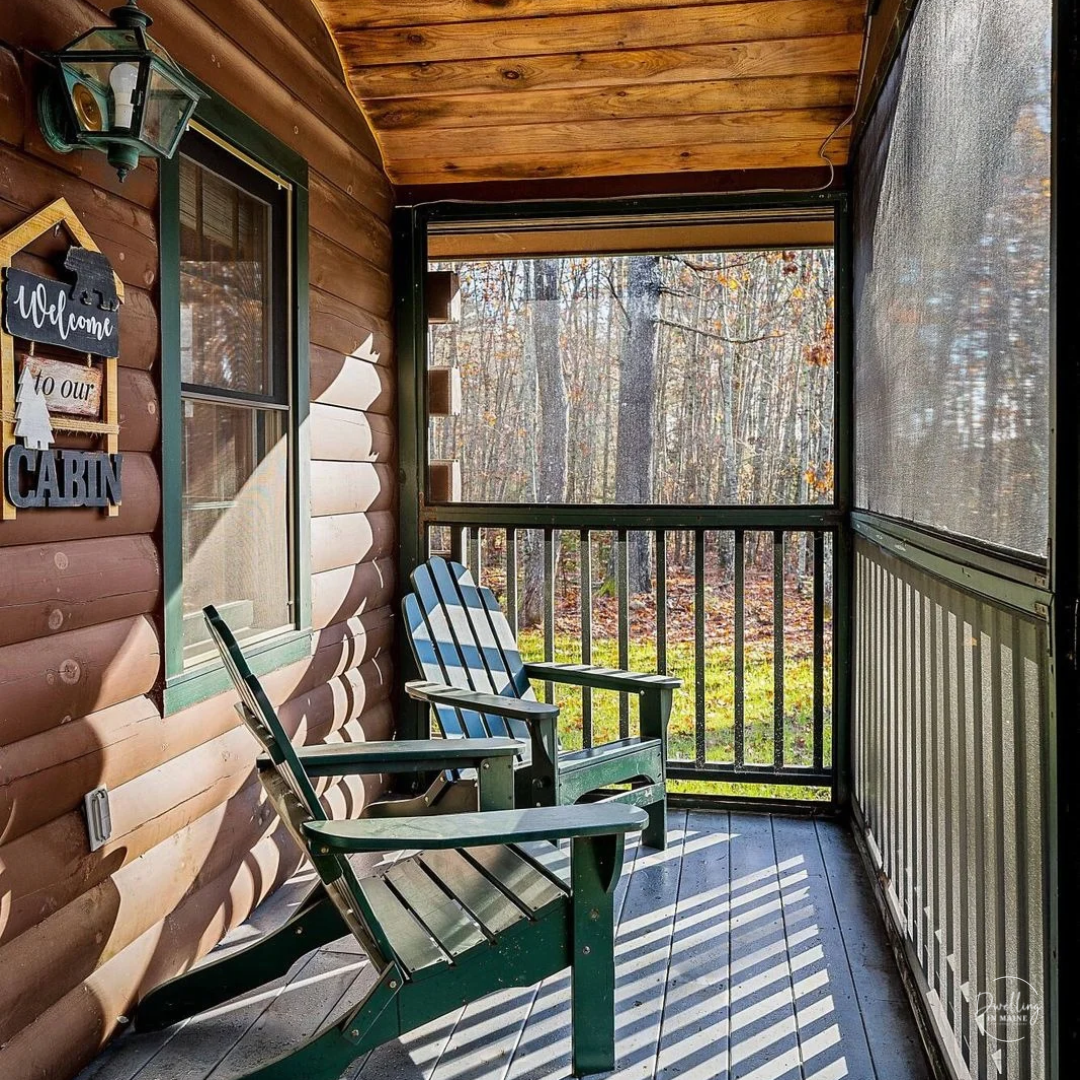
If you're leaving a Maine property for the winter, your checklist will look a little different.
Seasonal homeowners may need to address plumbing, heating, security, food storage, appliances, exterior furniture, boats, docks, and other equipment before leaving the property.
It's also important to consider how often the property will be checked throughout the winter. Snow accumulation, ice dams, frozen pipes, power outages, and storm damage can become significant problems if they aren't discovered promptly.
A Little Preparation Goes a Long Way
Maine winters are part of what makes living here special, but they also require homeowners to think ahead.
Taking care of maintenance in October gives you a chance to address small issues before they become winter emergencies. It can also make the colder months more comfortable and give you greater peace of mind when the first snow arrives.
If you're considering buying a home in Maine, winter preparation is also something worth thinking about during the home-buying process. Heating systems, insulation, roofs, wells, septic systems, driveways, generators, and access can all play an important role in year-round homeownership.
A home isn't just about how it looks on a beautiful summer day. In Maine, it's worth considering how it performs throughout the entire year.
Frequently Asked Questions
When should I start preparing my Maine home for winter?
October is a good time to begin winter preparations. It gives homeowners time to schedule heating and chimney maintenance, address exterior repairs, and prepare for snow and freezing temperatures before winter arrives.
How often should I have my chimney cleaned?
The appropriate schedule depends on how frequently your fireplace or woodstove is used and how much creosote accumulates. Homeowners should have their chimney inspected regularly and cleaned as needed by a qualified professional.
What should I do with outdoor faucets before winter?
Disconnect garden hoses and drain outdoor faucets before freezing temperatures arrive. Homes with seasonal plumbing or specific winterization requirements may need additional steps.
Should I have my heating system serviced every year?
Annual maintenance is generally a good practice. A professional can inspect the system, identify potential problems, and help make sure it is operating efficiently before the heating season begins.
How can I prepare a seasonal Maine home for winter?
Seasonal homes may require additional winterization, including preparing the plumbing, securing outdoor furniture and equipment, checking heating systems, arranging property checks, and making sure the home is protected from freezing temperatures and winter storms.
What should I look for when buying a Maine home before winter?
Pay attention to the home's heating system, insulation, roof, windows, drainage, driveway and winter access. It's also worth asking about average heating costs, the age and maintenance history of major systems, and whether the property has experienced winter-related issues in the past.


Connect